
Exquisite amethysts were once used to adorn religious jewelry and royal crowns, with their value once considered comparable to rubies, emeralds, and sapphires. This is why fine amethysts were selected to decorate the jewelry of bishops and the crowns of British royalty. Amethyst is the birthstone for February and also symbolizes one of the twelve apostles of Jesus. Amethyst is believed to foster love and social connections, acting as a "stone of socialization." While it may not bring popularity as directly as rose quartz, consistent wear can help one encounter beneficial people and broaden social circles. It is also a crystal that enhances career luck and aids in leadership, making it beneficial for those in supervisory or leadership roles. Wearing amethyst jewelry can help temper an overbearing demeanor, bestowing an air of nobility, and fostering greater tolerance and understanding, thereby earning the trust and obedience of subordinates. Furthermore, it offers calming and relaxing effects. Amethyst is regarded as a calming stone, capable of helping individuals alleviate stress, relax their minds, and enhance a sense of tranquility. Most importantly, amethyst is thought to aid in enhancing wisdom and spirituality. It governs the realm of the right brain, assisting in deep thought and meditation, activating intuition and the subconscious, and improving memory.
Hematite jewelry has been crafted since the era of ancient Greece and gained popularity in Europe during the reign of Louis XIV. However, it wasn't until the Victorian era (1837-1901) that designers began to frequently incorporate hematite, particularly after Queen Victoria herself wore it. In the 18th century, when Switzerland prohibited the public display of diamonds, hematite, along with cut steel, became a substitute. Following the death of Prince Albert in 1861, Queen Victoria entered a period of mourning, requiring the entire court to wear black and avoid ostentatious jewelry. Hematite then became widely favored as a modest alternative for the nobility. Hematite possesses its own historical significance; after all, this shimmering gemstone has adorned numerous royals, from Cleopatra to Queen Victoria. Understated yet beautiful, hematite jewelry is a must-have addition to any collection. Emotionally, hematite is believed to protect against negativity, encourage introspection, enhance self-confidence, reduce fatigue, and inspire artistic creativity.
In ancient times, humanity was already familiar with silver. Like gold, silver is a precious metal with a long history of use, spanning over 4,000 years. Due to its unique and excellent properties, silver has historically held both monetary and decorative value. The soft yet bright luster of silver's white sheen made it a favored adornment among ethnic minorities, Buddhists, and Muslims. In recent times, influenced by a retro sensibility, Westerners have been seen wearing silver jewelry inlaid with semi-precious stones, which tend to oxidize and darken. This trend evokes a sense of nostalgia for the boundless beauty of ancient civilizations.


รายละเอียดสินค้า
ข้อมูลสินค้า
- วัสดุสินค้า
- เงินแท้
- วิธีการผลิตสินค้า
- แฮนด์เมด
- แหล่งผลิตสินค้า
- สหราชอาณาจักร
- จุดเด่นของสินค้า
- บริการสั่งทำพิเศษเฉพาะลูกค้า
- จำนวนในสต๊อก
- เหลือเพียง 1 ชิ้น
- อันดับสินค้า
- No.207,777 - เครื่องประดับ | No.45,144 - สร้อยคอ
- ความนิยม
-
- ถูกชม 1,315 ครั้ง
- มี 7 คนถูกใจ
- สินค้าที่จำหน่าย
- ของเก่าวินเทจ
- รายละเอียดย่อยของสินค้า
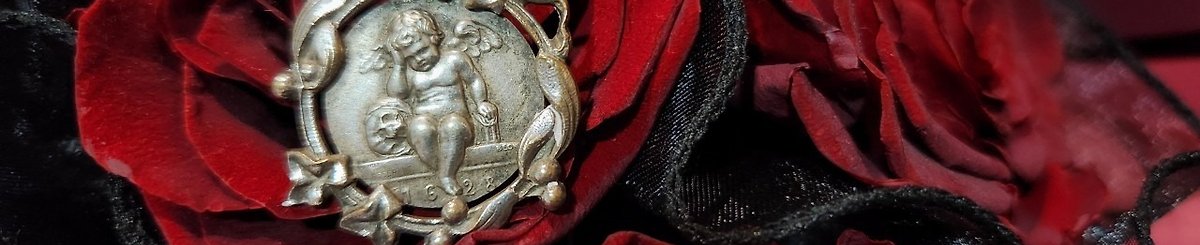
- Amethyst Hematite Sterling Silver Necklace, Purchased from a UK Antique Shop.
ค่าจัดส่งและรายละเอียดอื่นๆ
- ค่าจัดส่ง
- วิธีชำระเงิน
-
- บัตรเครดิต/เดบิด
- อินเตอร์เน็ตแบงก์กิ้ง/โมบายแบงค์กิ้ง
- เคาน์เตอร์เซอร์วิส
- ตู้เอทีเอ็ม
- เคาน์เตอร์ธนาคาร
- Alipay
- การคืนเงินและเปลี่ยนสินค้า
- อ่านรายละเอียดการคืนเงินและเปลี่ยนสินค้า
- แจ้งปัญหา
- รายงานสินค้าชิ้นนี้